Dr. Canary

What should a service BDC quality review cover?
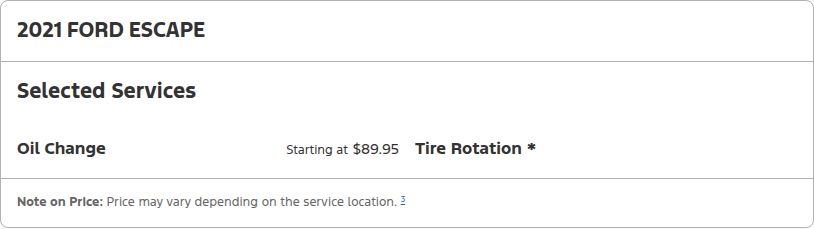
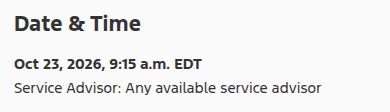
A service business development center (BDC) helps turn a service need into a prepared customer, an attended appointment, and a continuing relationship. Review booking accuracy, education before arrival, relevant optional services, reminder handling, and follow-up. Pair communication evidence with the dealership’s appointment and repair-order records to measure what happened next.
Your next check.
0 / 6Use this while you test. Checks stay on this page until you reload.
The service BDC journey review
Service BDC engagement review
Vehicle, requested work, and appointment: [exact context]
Confirmation and team record: [matched, pending, unverified]
Pre-visit education: [purpose, material, useful answer]
Optional service: [verified relevance, terms, customer choice]
Engagement: [question, reply, owner, context passed to advisor]
Reminder and change: [timing, current details, confirmed change]
Observation window and channels: [start, end, available evidence]
Visit outcome: [attended, canceled, rescheduled, no-show, unknown]
Additional work: [offered, accepted, authorized, completed; record source]
Post-visit: [concern resolved, next need, customer preference]
Test booking cancellation: [confirmed or pending]
Fix and retest: [owner and evidence]
Use the time before the appointment.
Once a booking is confirmed, send preparation that fits the actual visit: where to arrive, what the booked work involves, what information would help the advisor, and verified waiting or drop-off arrangements. A short, relevant explainer can answer a question before it becomes a phone call.
Invite the customer to share a concern or ask a question. Review whether a person responds and whether that context reaches the advisor. Judge the message by the decision or preparation it supports, rather than adding a touch just to fill a calendar.
Make an additional service relevant and easy to evaluate.
Use verified vehicle details, service history, maintenance requirements, or a documented earlier recommendation to select an appropriate option. Explain why it may be relevant, the confirmed price or estimate, and any added time. Give the customer a clear way to ask, accept, or decline.
Check that the choice is carried into the appointment and the authorized work. A selected option is not proof that it was completed. Avoid generic bundles, invented urgency, or presenting optional work as required; unresolved service concerns should reach an advisor.
Keep reminders and changes connected to the conversation.
Compare the reminder, calendar file, latest booking, and management link. Make sure a customer can respond or change the plan and that a person owns the request. Inspect later messages for obsolete times or canceled bookings.
Evaluate timing against the stated process and observation window. Early cancellation may precede the normal reminder. Keep email, text, and call evidence separate when any channel is unavailable; verify cancellation of coordinated test bookings.
Measure attendance, completed work, and the next relationship.
Use the same appointment to connect confirmed booking, cancellation or reschedule, attendance, and repair-order outcome. Track no-shows separately. For additional services, compare offered, accepted, authorized, and completed work using the dealership’s records. Keep unavailable outcomes unknown.
After a verified visit, review whether the customer receives a useful work summary, a route for unresolved concerns, and relevant next-service guidance. Documented declined work may justify later contact; an open complaint or changed preference should change that contact. Received messages and website evidence do not by themselves prove an attended visit or completed repair.
Further reading
Industry context for these recommendations; separate from our dated inspections.
Run your numbers.
Use the fixed-ops calculator to explore a scenario using your own inputs.
Open the calculator ↗